Do Rabbit Snails Eat Plants? What Is Safe in a Rabbit Snail Tank
Quick answer
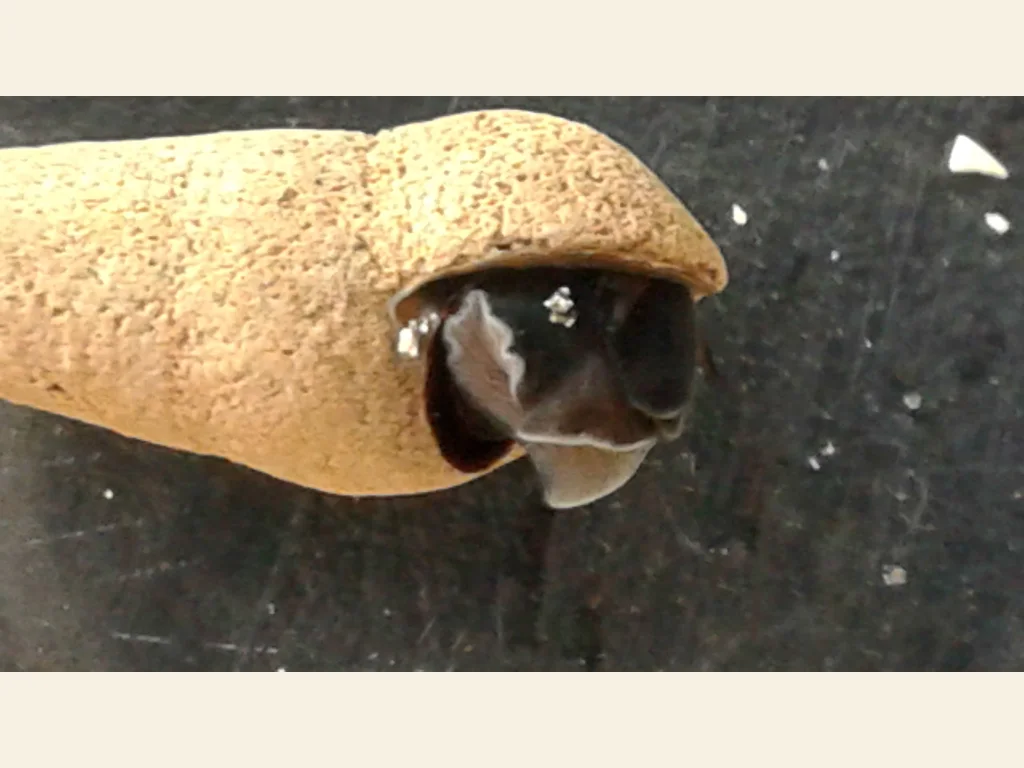
Mostly no. Rabbit snails spend their day grazing the film of algae and bacteria on rock, wood and sand, plus leftovers and dying leaves. Keepers do report some of them eating Java fern and other soft leaves, so treat soft plants as at risk. Feed them well, grow tough plants like Anubias, and remember they need warm, hard, alkaline water, which already rules out many soft water plants.
| Plant | Risk | Notes |
|---|---|---|
| Anubias | Low | Tough leaves, often reported as left alone |
| Java moss | Low | Reported as left alone in several tanks |
| Cryptocoryne | Low to medium | Many kinds handle harder water |
| Vallisneria | Medium | Grows well in hard water; some keepers report nibbling |
| Java fern | Medium to high | The plant most often reported as eaten |
| Soft stem plants and carpets | High | Easily damaged or uprooted by a big snail |
What rabbit snails actually eat
Rabbit snails come from the lakes and rivers of Sulawesi in Indonesia. Scientists group them in the genus Tylomelania. Studies of snails in Lake Towuti found two forms of one species, one living on rock and one on sunken wood, with feeding parts shaped for scraping film off those surfaces. In other words, they are built to rasp the thin layer of algae and bacteria that grows on hard surfaces.
In a tank, that means they graze the film on rock, wood, glass and sand, eat dying leaves and pick up fish food that falls to the bottom. Most are also happy to eat sinking pellets, algae wafers and blanched vegetables.
The Java fern question
Java fern is tough and bitter, and very few aquarium animals eat it. Rabbit snails are one of the few that keepers repeatedly report chewing it, sometimes down to the base. Other keepers have kept rabbit snails with Java fern for years without trouble. There is no study that settles it, so the honest answer is: it depends on the snail and how well it is fed. If Java fern is the star of your tank, either skip rabbit snails or be ready to move the fern.
Is it eating or just moving through?
Rabbit snails are big and they like to push through soft sand. A lot of damage blamed on eating is really a heavy snail plowing through plants that were not rooted well. Carpet plants and new stem cuttings get pushed up and float away. Tie Anubias and moss to rock or wood, plant rooted plants deeply, and give the snail an open patch of sand to dig in.
The water decides your plants
Rabbit snails need warm, hard, alkaline water, which is very different from the soft, acidic water many planted tanks run on. Aim for about 76 to 84°F, a pH around 7.5 or higher, and moderate to hard water. Soft water slowly damages their shells. That means the delicate plants grown in soft water with special soil and CO2 are not a match anyway. Plants that grow well in hard water, like Anubias, Vallisneria, many Cryptocoryne and mosses, are the natural fit.
How to keep plants intact
- Let film grow first. Add rabbit snails to an established tank with visible film on rock and wood, not a spotless new tank.
- Feed them. A sinking pellet, algae wafer or piece of blanched zucchini every day or two keeps them busy.
- Add a food source with calcium. Calcium rich foods or a piece of cuttlebone help their shells.
- Pick tough plants and attach them to hardscape.
- Watch for a month. If you see chewed leaves, feed more and move the plant they like.
How many in a planted tank
Rabbit snails grow large, often several inches long, and they eat and produce more waste than a nerite. About 1 per 10 gallons is a good start. A 20 gallon tank can hold 2, and a 40 gallon can hold 3 or 4. They give birth to live young slowly instead of laying big clutches of eggs, so they will not flood your tank.
Good tank mates
Rabbit snails do well with peaceful fish and with shrimp that like the same warm, hard water. Keep them away from puffers, loaches and crayfish, which go after snails. They are calm and slow, so large, rough fish that nip at feelers are a poor match too.
A simple rabbit snail planted tank
Here is a setup that works for many keepers. Start with a 20 to 30 gallon tank and a soft sand bottom, at least an inch or two deep, so the snails can dig. Add rock and a piece or two of driftwood, and tie Anubias and Java moss to them. Plant a few Cryptocoryne or Vallisneria in the sand toward the back, where the snails are less likely to plow through. Keep the water warm and hard, run a filter that has been cycled, and wait until you see a light film on the rock and wood before adding the snails.
Once they are in, feed a small amount every day or two and watch which plants they spend time on. A snail that sits on a leaf is often just grazing the film on it, not eating the leaf itself. Look for real holes or missing edges before you decide a plant is on the menu. If one plant keeps getting chewed, move it to a spot high on the wood where the snails visit less, or swap it for something tougher.
Questions
Are rabbit snails safe with Anubias?
Anubias is the plant most keepers report as left alone.
Do rabbit snails eat Java moss?
Reports say they usually leave moss alone, though they will graze the film on it.
Why is my rabbit snail buried?
They like to dig into soft sand, often when the lights are bright. It is normal.
Will rabbit snails eat my shrimp?
No. They are peaceful. They may eat a shrimp that has already died.
How fast do rabbit snails breed?
Slowly. They give birth to live young instead of laying big egg clutches, so numbers grow very slowly.
Related guides
Sources
General hobby guidance. Check your state's rules and never release aquarium animals into the wild.